
Visitors flock to this iconic Australian landmark to learn more about the region’s spiritual history, Aboriginal people’s culture, and the incredible natural rock formations up close. In addition to exploring the rich cultural history of Uluru and the surrounding landscapes, there are many other activities to do in the area, such as enjoying the scenic views.
The Mala Walk is famous
Visit the ancient camps and learn about the ceremonies and rites of passage, as well as the daily life of the Anangu people. This walk takes you from the Mala car park to Kantyu Gorge. It is the same route as the daily Mala Ranger-led walk and most Uluru tours.
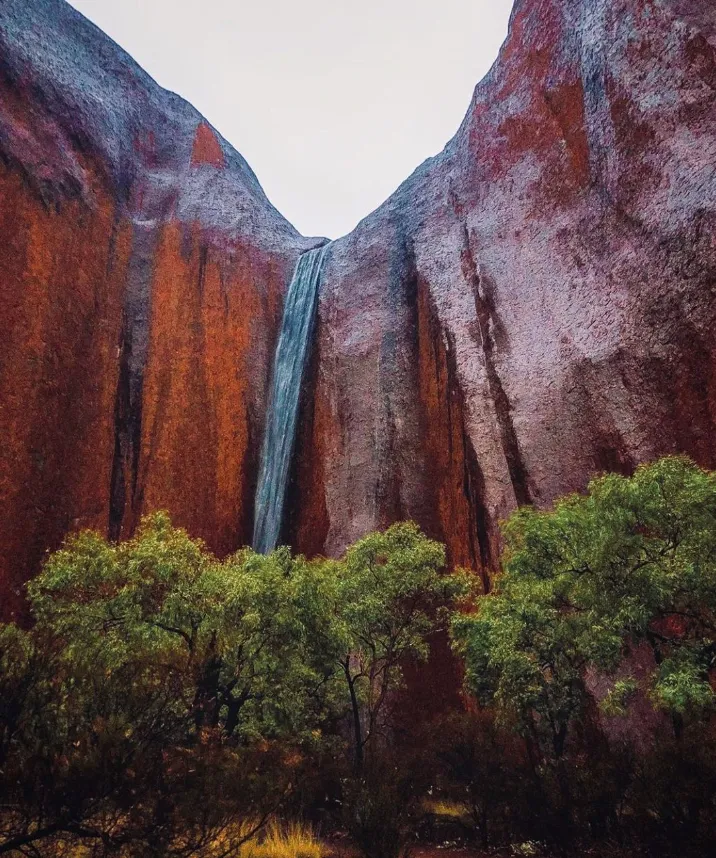
Visitors can explore the caves where the Mala first settled at Uluru and view the cave kitchen where they cooked their food. The walk features beautiful examples of rock art before reaching Kantyu Gorge, a place of deep tranquillity with sheer vertical walls. Drinking water stations are available along the, so you do not need to bring your own.
Mala is also the name of a tiny marsupial, which is an integral part of Aboriginal history. Until recently, the Mala was endangered in the wild. This species is considered vulnerable, and the Anangu are incredibly proud to have saved it. Mala have been reintroduced to the area and live and breed safely behind electric fences near the Royal Canyon.
Immerse yourself in the beauty of Uluru with this 3-day tour. Witness stunning sunsets, explore ancient rock formations, and experience the outback like never before.
Exploring the local fauna is a highlight of any trip to the Northern Territory, offering a look at creatures found nowhere else on Earth. While the Mala are known for their gentle nature and spiritual significance to the Anangu, the region’s waterways host much more formidable residents. For those seeking a thrill, joining a Jumping Crocodile Cruise is a must-do experience. It provides a rare chance to see these prehistoric apex predators in their natural habitat, showcasing their incredible strength as they launch themselves high out of the water to catch their prey—a stark and exciting contrast to the tranquil desert landscapes of Uluru.
Beat the crowds
Guided tours on the Mala Dam are frequently offered in the mornings and evenings. The sunset is unexpectedly quiet. For a different perspective of Uluru, visit the Kantju Gorge to watch the sunset at the base of the cliff. Near the waterfall, there are benches for visitors to relax and enjoy the surroundings.
What You Can See Along the Way
The Red Centre of Australia offers a diverse range of wildlife and natural beauty for visitors to enjoy. The area is home to various native species and features stunning natural structures to admire.
Rock Art
Given the cultural importance of the region, you can also pay attention to the centuries-old rock paintings that decorate the area. The region’s indigenous tribes value creativity and have used rock art to illustrate their history and spiritual traditions for thousands of years.
If you want to explore the route on your own, you can do so, but you can also join a free ranger-led walk that conducts this Mala Walk daily at 10 am if you want to get to know the area and its people in more depth.
Mala Tjukurpa
The indigenous Anangu people live in the region surrounding Uluru. Interpretation panels designed by the Anangu at the base of the Mala Walk provide information about the Mala Tjukurpa Mala (the people of the hares and wallabies). This is thought to be the location where many significant events took place during the creation of the world.
FAQ
What is the Mala Walk at Uluru?
The Mala Walk is a guided or self-guided trail from the Mala car park to Kantju Gorge. It highlights Aboriginal heritage, rock art, and sacred cultural sites.
What cultural experiences can I expect along the Mala Walk?
You can see ancient rock art, traditional Anangu shelters, and learn about ceremonies, daily life, and the Mala Tjukurpa (creation stories).
When is the best time to do the Mala Walk?
Morning ranger-led tours at 10 am are popular, but visiting around sunset offers a quieter experience and stunning views at Kantju Gorge.
What wildlife and nature can be seen on the walk?
The trail passes through areas with native plants and wildlife, including reintroduced Mala marsupials. Kantju Gorge also features dramatic rock walls and seasonal waterfalls.
Is the Mala Walk suitable for everyone?
Yes, the trail is flat and easy, with water stations along the way. It’s accessible to most visitors and offers both cultural and scenic highlights.